

What is Floor and Building Vibration?
There are many sources of vibration capable of producing motion sufficient to be perceptible by the occupants of a modern building. Transportation-related sources such as trains, subways, buses and trucks are common external sources of irritation. Often, internal activities such as aerobic exercises, use of indoor tracks or corporate weight rooms can introduce vibration into one part of a building, which is felt elsewhere, producing bewildering periodic problems. Problems also arise from vibration introduced by rotating mechanical equipment in basements or mechanical penthouses. These dynamic situations are difficult to predict with static design methods.
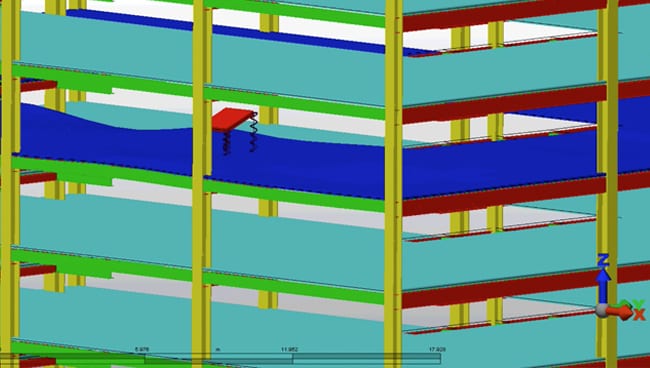
Sophisticated Finite Element Analysis (FEA) Techniques can be used to solve floor vibration problems which can affect people in a high-rise office boardroom or disturb sensitive medical and industrial equipment, and to design isolation systems for both small equipment and entire buildings.
COMMON BUILDING VIBRATION SOURCES
External Vibration Sources
-
Seismic activity
-
Subway, road and rail systems
-
Industrial metalworking facilities
-
Construction equipment
-
Wind
Internal Vibration Sources
-
HVAC equipment
-
Elevator and conveyance systems
-
Fluid pumping equipment
-
Aerobics and exercise rooms
COMMON BUILDING VIBRATION IMPACTS
-
Human annoyance
-
Structural fatigue
-
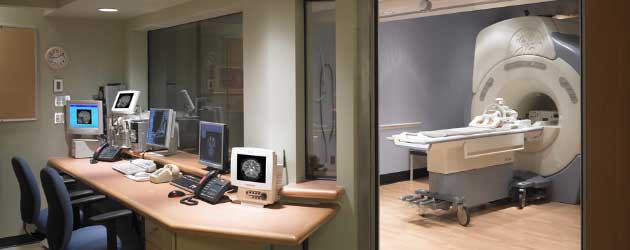
Disturbance of sensitive equipment
(ie Scanning Electron Microscopes, MRIs, CMMs)
Building Vibration Isolation
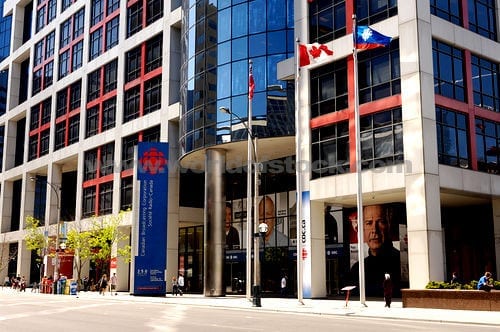
As cities expand, downtown real-estate becomes more valuable and lands that were once undesirable are being transformed into high-quality office and condominium spaces. A major challenge for the development of lands near subways or surface railways is overcoming ground-borne vibration, which can transmit up through a structural system, annoying occupants and disturbing sensitive equipment.
One solution employed by HGC Engineering is the use of isolation pads in conjunction with a large sub-grade damping mass, effectively providing two footings, each isolated from the other with the system tuned to the anticipated frequency range impacting the building.
HGC Engineering uses finite element analysis techniques in conjunction with physical testing (where needed) in order to tune the design, and ensure that the vibration isolation efficiency is greatest where it is needed most.

An Isolated Building Complex
An example of whole building vibration isolation is Chicago’s Fulton Station Condominiums and Townhomes, built atop an existing subway corridor.
Floor Vibration
A common situation found in buildings is floor vibration. Office spaces are generally expected to have low levels of background vibration. HGC Engineering has assisted in diagnosing and correcting many situations where people walking in corridors, or performing rhythmic exercises such as aerobics have resulted in surprising vibration levels in offices or boardrooms, sometimes many floors away.
It is often wise to assess the likelihood of perceptible vibration in sensitive spaces during the initial design of a building. This is particularly true where unusual building geometry or complicated structural systems are called for. HGC has assisted structural engineers on numerous occasions early in the design phase of new buildings. The Canary Wharf Towers in London, England, are a typical example, where one floor is suspended from the complex floor system of the floor above.
The more complex a structure becomes, the more difficult it is to accurately predict and effectively minimize the impact of vibration. HGC Engineering uses Finite Element Analysis techniques to systematically approach vibration analysis, often creating both detailed models of a small floor section, or complicated models of entire buildings.
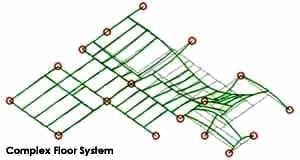
Vibration Mode of a Complex Floor System
Representation of these advanced analysis capabilities in identifying vibration mode in complex flooring system.
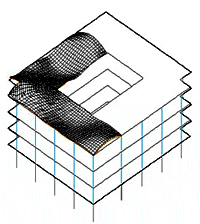
Vibration Mode of a Floor Structure
Illustration of vibration modes in a flooring system
Industrial Impact of Vibration
Industrial operations such as pressing or forging are common sources of ground-borne vibration. HGC Engineering has often been retained by engineers to mitigate the impacts of such vibration. Finite Element Analysis techniques are useful for such situations, as accurate modeling can require an assessment of the properties of the vibration source, the transmission medium (the ground) and also the impacted building, a difficult problem for any other assessment method. The large dynamic loads associated with many types of industrial equipment often result in substantial vibration transmitted into the structure. It can be critically important to ensure that the natural frequencies of the structural system do not match the operating frequencies of the equipment. The dynamic amplification which can occur if the frequencies do coincide can lead to hazardous structural fatigue situations, or shorten the life of the equipment.

Surface Wave Propagation Through Soil
FEA techniques can also assess how the ground responds to vibration impact.
Torsional Vibration
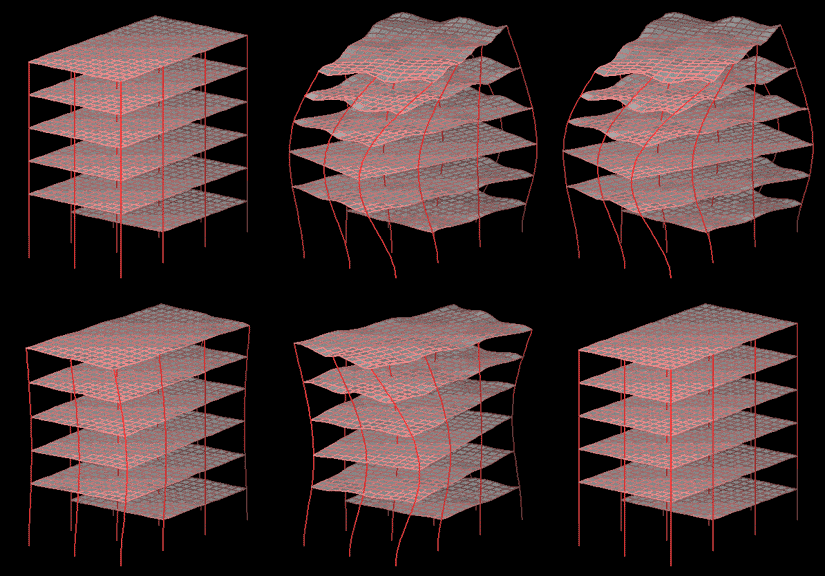
This animation shows how torsional vibration affects the structural integrity of a whole building. Such vibration can be caused by ground-borne vibration from subways or railways, or by other sources such as strong winds